Work with learners to break down instructions into bite size steps that a robot can understand.
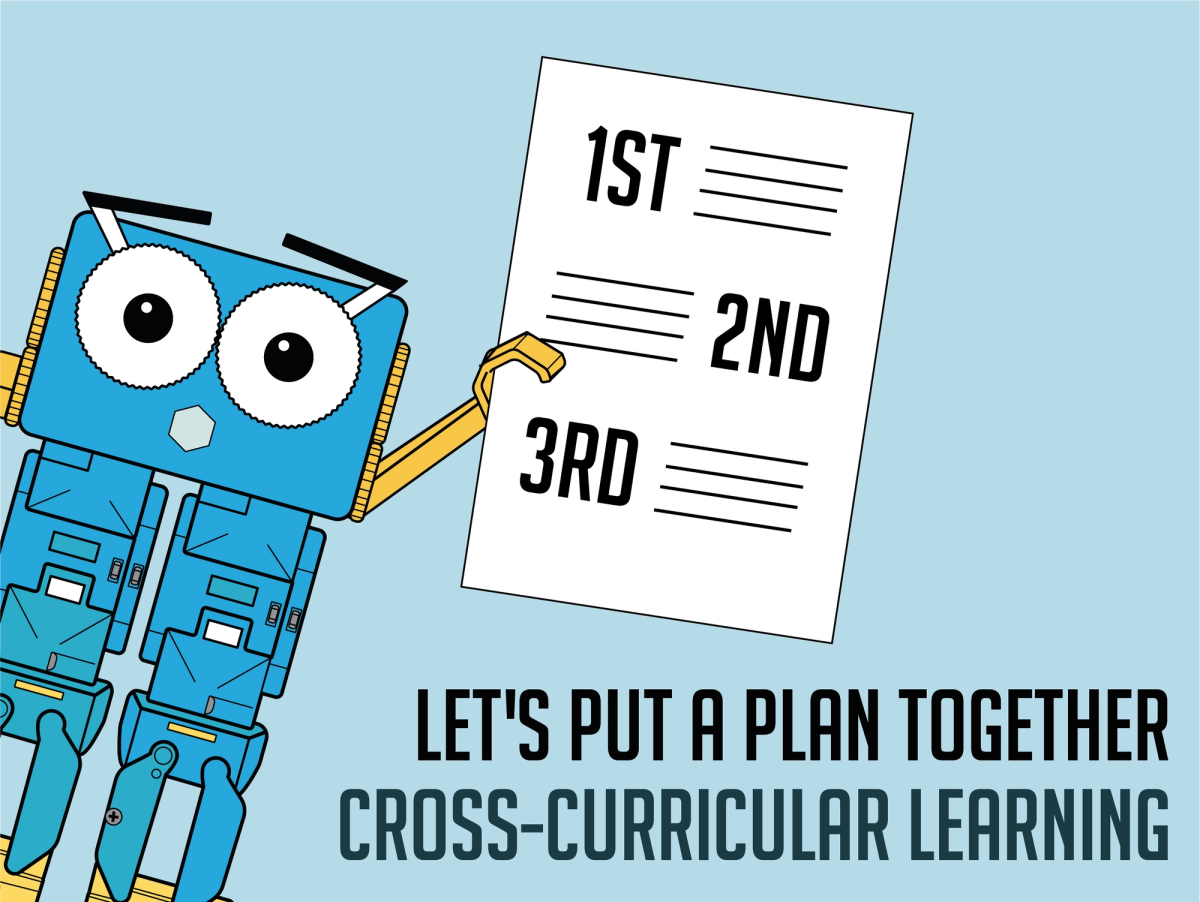
Encourage learners to create an extended movement within their group: each member has responsibility for part of the code that is required for the overall program. Then have learners come together to sequence the individual offerings into a collective movement. This will expose learners to collaborative working and increased communication responsibilities.
Have a Marty present to help learners see what movements look like or encourage learners to become Marty and have them mime the movement they are creating so they can be sure it is relevant for what they want Marty to perform.
13 of 13 linked standards shown.
| Curriculum area | Linked standards |
|---|---|
| English Language Arts: Speaking & Listening | |
| English Language Arts: Writing |
Select a code to read the full standard.
| Curriculum area | Linked standards |
|---|---|
| Health and Wellbeing: Mental, Emotional, Social and Physical Wellbeing | |
| Literacy & English: Listening and Talking | |
| Literacy & English: Writing |
Select a code to read the full standard.
| Curriculum area | Linked standards |
|---|---|
| Computer Science: | |
| English Language Arts: Speaking and Listening | |
| English Language Arts: Writing |
Select a code to read the full standard.
Learners will need to observe Marty performing an action and then recount it in a detailed step by step way. Once learners have some practice recreating one of Marty's actions with the instruction steps, they will need to create a new set of instructions for Marty to perform with an end-goal of taking that to a STEAM lesson and developing the code for Marty.
English Language Arts - stating an opinion
The code in the teacher guide has Marty perform distinct movements that can be described in order. There are slight pauses between related movements so that learners are able to describe what is involved, with each block. Learners need to take notes on what they see and then use the notes to build sequenced instructions in their workbook.
The wordbank file for this lesson has sequence words included and some movement words that will help describe what Marty is doing but other than that there is space for learners to enter what they want.
Learners will have used MartyBlocks Jr up to this point so movements will be limited to what is available in that environment.
Share with learners the objectives and success criteria for the day's lesson, from slide 2 of the presentation in the resource section; perhaps display this before the lesson starts and keep it displayed until another slide is needed.
Prepare learners for a slightly more advanced version of Simon Says.
Below is the procedure for the updated Simon Says. This is a general description of the game process.
1. Follow the format of Simon Says by introducing an action.
2. Allow for one or two rounds where only one action is displayed.
3. Include single actions that include directional language - Simon Says put your arm out in front; take three steps to the side / to the right.
4. Group actions together to perform an action - Simon Says lift your right arm to the side, bend your elbow to point your fingers to the ceiling, move your hand from side to side.
5. Inject the occasional example without Simon Says.
From slide 3 in the presentation, there are movements that Marty performs that learners will need to describe in order of what they do. Take time to encourage learners to be specific. Have learners use measurement vocabulary, like time and distance; geometry vocabulary, like 'makes a right angle'; comparative vocabulary like more than and less than. The first part of the movement, where Marty lifts there arms and leans forward, is described in the workbook.
In groups or as a whole class, learners need to record the actions from Marty's movement program. Then, they need to sequence the instructions using helpful words like, ordinal numbers - first, second, third, etc. - or other sequence words - then, next, last, finally, etc.
Bring learners together and have volunteers share their ideas for what Marty performed. Ask for agreement or questions to improve what was written.
In groups, learners need to devise a series of steps for Marty to complete one task; there is no requirement for the routine they create but you may wish to set a minimum number of instruction steps for different learners in the classroom.
Emphasise the need for specific vocabulary, including the mathematical language they used to describe Marty's earlier actions. This will allow other people to read the instructions and build a program for Marty, which you could use as a challenge for learners: once instructions are written, they could be delivered to an older grade where they are challenged to create the programs and the original writers could evaulate the end-product.
Bring learners back together to discuss how feel they feel they did with writing the instructions. Ask if there are any learners wanting to describe their sequences to others.
Suggested questions you might ask:
If you use a formative assessment strategy, like thumbs up or thumbs down, use that here to get a feel for learner confidence with the topic.
Carry out any end of lesson routines.